Buying AI is easy. Becoming a different company is the hard part.
The operating model, the governance, and the frameworks you can actually put to work, built in the open.
Every week: one framework you can put in front of your exec team. Leave in one click. New here? Start here →
The leader of a small, clinical-stage biotech, and the person they task with AI.
The CEO, the COO, the head of R&D, making it real on a tight runway, without a big budget or a spare quarter to figure it out.
You can buy every model on the market and still be the same company next year. Tools do not change a company. People do, and changing how people work is the hardest thing an organization ever does.
That is why most AI transformations quietly stall. Not on the technology, on the culture. And it shows up as a therapy that reaches a patient late, or never, because a company that could have moved faster did not.
This was never about the software. It is about the people, and who gets medicine to patients first.
The capacity that closes that gap has a name.
Translational intelligence is the institutional capacity to convert emerging technological capability into durable scientific, operational, and strategic advantage.
In practice, a better model ships on a Tuesday. The company with translational intelligence has it changing how a real team works within the month. The one without it buys the license, and a year later it is the same company.
Read the founding argument →You build it one piece at a time.
Here is the whole system, in the order it makes sense to learn it. It starts with the argument for why, then the pieces you build.
-
1The argument
The Biotech of Tomorrow
Why making yesterday's company faster is not transformation, and what AI-native actually means.
-
2The idea
Translational Intelligence
The capacity to keep turning new capability into advantage, as fast as it arrives.
-
3The system
Permission, People, Programs
The operating system that builds that capacity, across three pillars that grow together.
-
4The discipline
Buy the Record. Build the Intelligence.
Where to spend and where not to, so your edge is the part only you can build.
-
5
-
6The destination
The AI-Native Biotech
The company you become when it runs. It never stops translating.
The doctrine, surviving contact with reality.
Real engagements at real companies, dissected. Not the theory. What happened when it met a company with runway to protect.
How Avidity turned an AI policy into behavior
Half a company trained in person, fifteen minutes at a time, until it could teach itself.
A 72-hour transcript that balanced usefulness and records risk
The raw transcript deletes itself in 72 hours, and downloading it makes you responsible, under company policy, for finalizing the record.
A real IND drafting trial, after twelve months of no
Three days in a room turned a year of resistance into an afternoon's aha.
A trivial automation that produced an ambassador
One junior analyst's afternoon back, and a whole function began to reimagine its work.
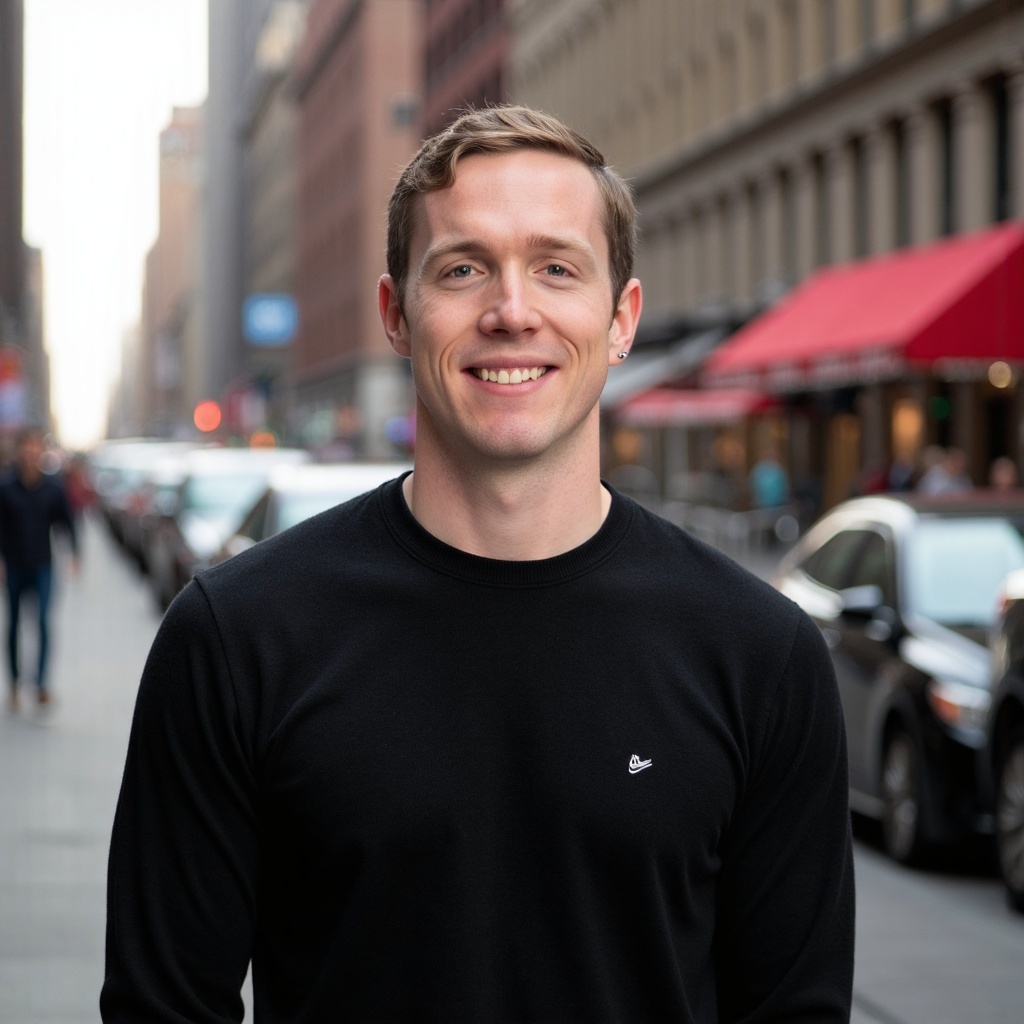
I'm Titus. For a decade I've built AI into biotech from the inside. Pandemic response at Google. The genotype-to-phenotype engineering team at Colossal. Enterprise AI transformation at Avidity. The same charge now at Alloy, through Vigilance. And a Commissioner advising Congress on the future of emerging biotech. The rooms keep changing. The job never does: turn what these systems can now do into what an institution does, then do it again. I've run this play enough times to know exactly where it breaks and how to get it right, and I'm handing you all of it, every week, because translational intelligence leads to faster translational science for patients.
More about me →No hype. No panic. No tool tourism.
Build the biotech of tomorrow.
Subscribe